? Szczegółowe wprowadzenie do chlorku żelaza(III)
✔ Czym jest chlorek żelaza?
Chlorek żelaza(III), znany również jakochlorek żelaza(III), jestwysoce rozpuszczalny środek chemiczny przemysłowyszeroko stosowany wuzdatnianie wody, elektronika, metalurgia i jako katalizator w syntezie organicznej. Jest znany ze swojegosilne właściwości koagulacyjne, co czyni go niezbędnym w oczyszczalniach ścieków i oczyszczalniach wody pitnej.
✔ Numer CAS i wzór chemiczny:
? Specyfikacja produktu
| Nieruchomość | Specyfikacja |
|---|
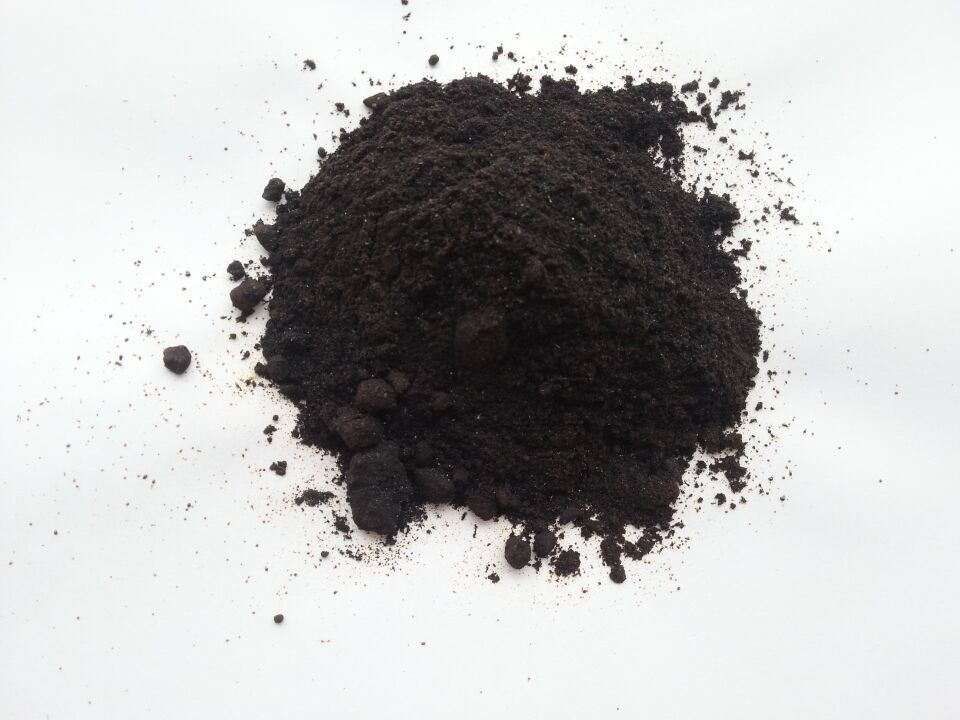
| Wygląd | Ciemnobrązowa ciecz lub czarnobrązowe krystaliczne ciało stałe |
| Zawartość FeCl₃ (%) | 38 – 42% (ciecz) / ≥ 96% (bezwodna) |
| Substancja nierozpuszczalna (%) | ≤ 0.5% |
| Wolny kwas (HCl) (%) | ≤ 2.0% |
| Gęstość właściwa (ciecz) | 1,4 – 1,5 g/cm³ |
| Rozpuszczalność | Rozpuszczalny w wodzie, etanolu i metanolu |
| Uszczelka | Worki 25 kg (stałe), zbiorniki IBC 1000 l lub beczki luzem (płynne) |
Zastosowania chlorku żelaza(III)
✔ Oczyszczanie wody i ścieków
Używany jakokoagulant i flokulantWoczyszczanie ścieków komunalnych i przemysłowych.
Skutecznie usuwazawiesiny, materia organiczna i fosfor.
Zmniejszazapach i kolorw wodzie oczyszczonej.
✔ Produkcja elektroniki i PCB (środek trawiący)
✔ Zastosowania przemysłowe i chemiczne
Używany jakokatalizator w syntezie organicznej i przemysłowych reakcjach chemicznych.
Zastosowano wprodukcja pigmentów, obróbka powierzchni metali i oczyszczanie rud.
Działa jakośrodek chlorującyw różnych procesach chemicznych.
✔ Zastosowania farmaceutyczne i medyczne
✔ Przemysł metalurgiczny i stalowy
Jak działa chlorek żelaza(III)?
Koagulacja i flokulacja (oczyszczanie wody):
Chlorek żelaza(III) hydrolizuje w wodzie, tworzącwodorotlenek żelaza, który wiąże się zzanieczyszczenia i cząstki zawieszone, pozwalając im na osiedlenie się i usunięcie.
Proces trawienia (produkcja PCB):
Katalizator i środek utleniający:
Metoda produkcji i surowce
✔ Użyte surowce:
✔ Proces produkcji:
Rozpuszczenie:Żelazo reaguje z kwasem solnym, tworzącchlorek żelazawy (FeCl₂).
Utlenianie:Dodawany jest gaz chlorowyutleniać FeCl₂ do FeCl₃.
Oczyszczanie i suszenie:Roztwór jest oczyszczany i odparowywany w celu uzyskaniachlorek żelazowy ciekły lub bezwodny.
Testowanie jakości i pakowanie:Produkt finalny przechodzikontrole jakościprzed spakowaniem.
Znane marki chlorku żelaza na całym świecie
Dlaczego warto wybrać Jiangsu Khonor Chemicals Co., Limited?
✔ Chlorek żelaza(III) o wysokiej czystości (dostępny w postaci ciekłej i bezwodnej)
✔ Produkcja z certyfikatem GMP i ISO
✔ Konkurencyjne ceny i dostawy hurtowe
✔ Niestandardowe opakowania i globalna dystrybucja
Zamów wysokiej jakości chlorek żelaza(III) od Jiangsu Khonor Chemicals Co., Limited!
Szukamzaufany dostawca chlorku żelaza? Jiangsu Khonor Chemicals Co., Limited zapewniahurtowa dostawa najwyższej jakości chlorku żelazaDouzdatnianie wody, trawienie PCB i zastosowania przemysłowe.
? Skontaktuj się z nami już dziś, aby otrzymać bezpłatną wycenę i próbkę!
NAJa | Do zrobieniachlorek rydzowy bezwodny |
Synonimy | Chlorek żelaza (III), trójchlorek żelaza |
Wygląd | Zielono-czarny w odbitym świetle; fioletowoczerwony w świetle przechodzącym; żółta substancja stała w postaci heksahydratu; brązowy jako roztwór wodny |
Wzór cząsteczkowy | FeCl3 |
Masa cząsteczkowa | 162.204 |
Temperatura topnienia | 307.6°C |
Punkt wrzenia | 316°C |
Numer CAS | 7705-08-0 |
IC Nr. | 231-729-4 |
Klasyfikacja | Klasa 8 |
Numer ONZ | 1773 |
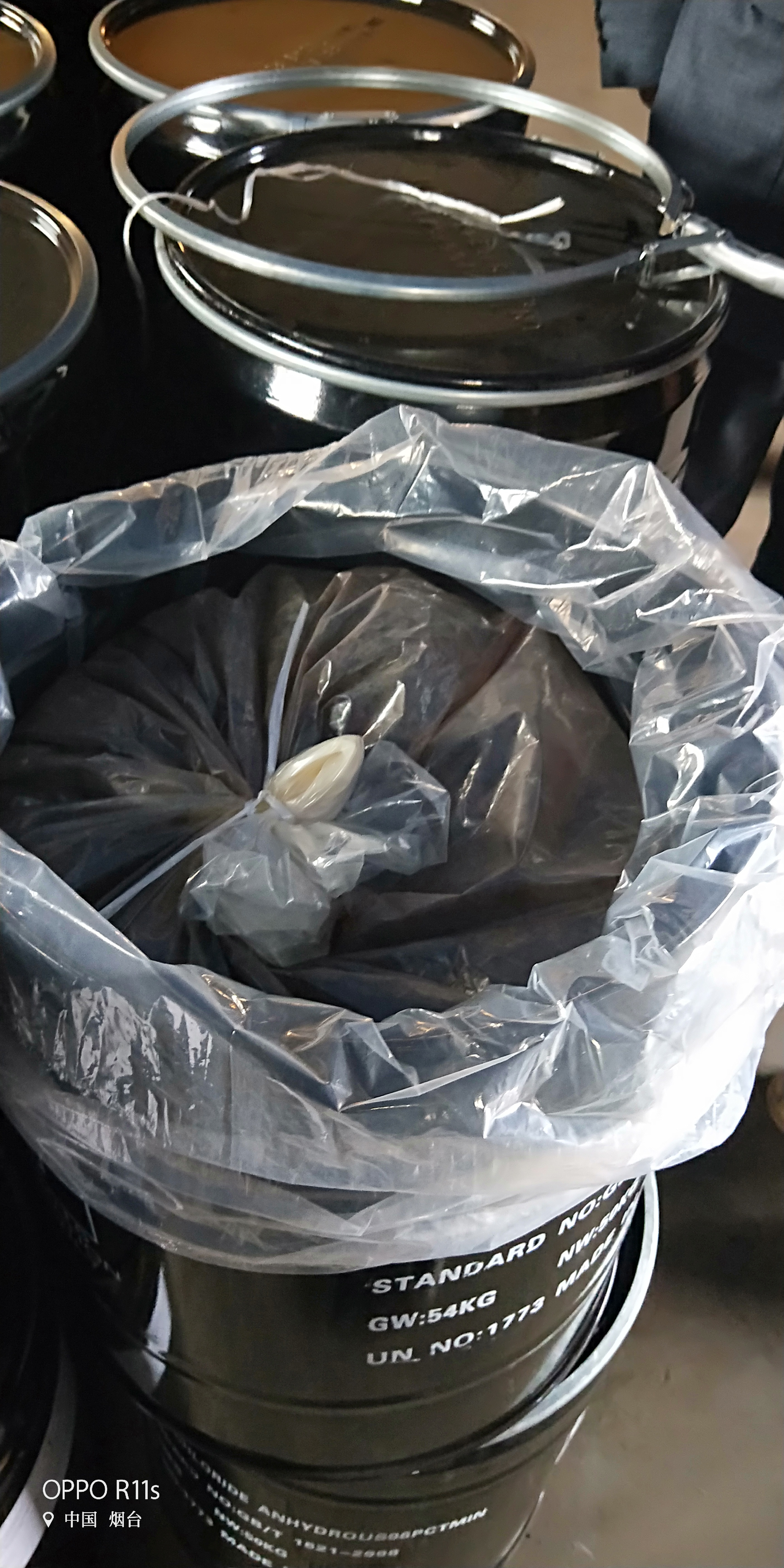
Pakiet | Beczki żelazne 50 kg |
Kod HS | 2827399090 |
Treść (FeCl3) ≥% | 98 |
Treść (FeCl2) ≤% | 1 |
Napoje nierozpuszczalne w wodzie. ≤% | 0.8 |
 angielski

 Hiszpania
 rosyjski
 portugalski
 włoski
 arabski
 francuski
 koreański
 niemiecki
 turecki
 wietnamski
 indonezyjski
 Holenderski
 Polski
 Daleko
 tajski

 0086-19851820538
  carlos@khonorchem.com
 Rm 1902 Easey Comm Bldg, 253-261, Hennessy RD Wanchai HK